images by Pablo Lobato
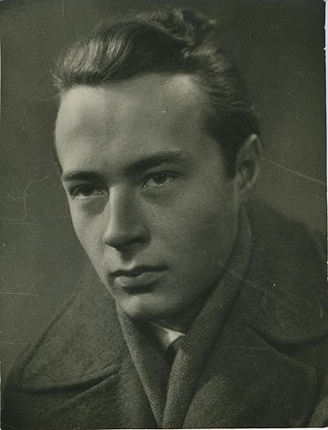
Paul Weston
Showing posts with label Cal Tjader. Show all posts
January 18, 2021
March 6, 2020
Kurt Weill song lyrics
~
The Bilbao Song
(Kurt Weill / Bert Brecht – English Lyrics by Johnny Mercer)
Recorded by: Chet Atkins; Clusone Trio; Dave Douglas; Eastside Sinfonietta; Gil Evans; Marianne Faithfull; Jacqueline François; Greta Keller; Masabumi Kiluchi; Ute Lemper; Lottie Lenya; Frank Portolese; André Previn; Martha Schlamme; Sextet of Orch. USA; Tethered Moon; Cal Tjader; Julie Wilson, Andy Williams.
That old Bilbao moon, I won't forget it soon
That old Bilbao moon, just like a big balloon
That old Bilbao moon would rise above the dune
While Tony's beach saloon rocked with an old-time tune
We'd sing a song the whole night long and I can still recall
Those were the greatest (those were the greatest)
Those were the greatest nights of them all
No paint was on the door (no paint was on the door)
The grass grew through the floor (the grass grew through the floor)
Of Tony's two by four (of Tony's two by four)
On the Bilbao shore (on the Bilbao shore)
But there were friends galore (howdy do, howdy do)
And there was beer to pour (chug-a-lug, chug-a-lug)
And moonlight on the shore (and the moon shines above)
That old Bilbao shore (on the shore, not the rug)
We'd sing all night with all our might and I can still recall
Those were the greatest (those were the greatest)
Those were the greatest nights of them all
That old Bilbao moon, I won't forget it soon
That old Bilbao moon, just like a big balloon
That old Bilbao moon would rise above the dune
While Tony's beach saloon rocked with an old-time tune
We'd sing all night with all our might and I can still recall
Those were the greatest (those were the greatest)
Those were the greatest nights of them all
(Extra verse not used by Andy Williams)
Those old Bilbao Guys, they loved to harmonize
Who stopped to realize how fast the summer flies
The moon was on the rise, we'd catch the ladies' eyes
And whisper Spanish lies, They never did get wise.
We'd sing the whole night long
And I can still recall
Those were the greatest,
Those were the greatest
Those were the greatest days of them all.
Oh, show me the way to the next whiskey bar
Oh, don't ask why, oh, don't ask why!
For we must find the next whiskey bar
For if we don't find the whiskey bar
I tell you we must die
I tell you
I tell you
I tell you we must die!
Oh, moon of Alabama
We now must say good-bye
We've lost our good old momma
And must have whiskey, oh you know why!
Oh, moon of Alabama
We now must say good-bye
We've lost our good old momma
And must have whiskey, oh you know why!
Oh, show me the way to the next pretty boy
Oh, don't ask why, oh, don't ask why!
For we must find the next pretty boy
For if we don't find the next pretty boy
I tell you we must die
I tell you
I tell you
I tell you we must die!
Oh, moon of Alabama
We now must say good-bye
We've lost our good old momma
And must have boys, oh you know why!
Oh, moon of Alabama
We now must say good-bye
We've lost our good old momma
And must have boys, oh you know why!
Oh, show me the way to the next little dollar
Oh, don't ask why, oh, don't ask why!
For we must find the next little dollar
For if we don't find the next little dollar
I tell you we must die
I tell you
I tell you
I tell you we must die!
Oh, moon of Alabama
We now must say good-bye
We've lost our good old momma
And must have dollars, oh you know why!
Oh, moon of Alabama
We now must say good-bye
We've lost our good old momma
And must have dollars, oh you know why!
Oh, don't ask why, oh, don't ask why!
For we must find the next whiskey bar
For if we don't find the whiskey bar
I tell you we must die
I tell you
I tell you
I tell you we must die!
Oh, moon of Alabama
We now must say good-bye
We've lost our good old momma
And must have whiskey, oh you know why!
Oh, moon of Alabama
We now must say good-bye
We've lost our good old momma
And must have whiskey, oh you know why!
Oh, show me the way to the next pretty boy
Oh, don't ask why, oh, don't ask why!
For we must find the next pretty boy
For if we don't find the next pretty boy
I tell you we must die
I tell you
I tell you
I tell you we must die!
Oh, moon of Alabama
We now must say good-bye
We've lost our good old momma
And must have boys, oh you know why!
Oh, moon of Alabama
We now must say good-bye
We've lost our good old momma
And must have boys, oh you know why!
Oh, show me the way to the next little dollar
Oh, don't ask why, oh, don't ask why!
For we must find the next little dollar
For if we don't find the next little dollar
I tell you we must die
I tell you
I tell you
I tell you we must die!
Oh, moon of Alabama
We now must say good-bye
We've lost our good old momma
And must have dollars, oh you know why!
Oh, moon of Alabama
We now must say good-bye
We've lost our good old momma
And must have dollars, oh you know why!
The Bilbao Song
(Kurt Weill / Bert Brecht – English Lyrics by Johnny Mercer)
Recorded by: Chet Atkins; Clusone Trio; Dave Douglas; Eastside Sinfonietta; Gil Evans; Marianne Faithfull; Jacqueline François; Greta Keller; Masabumi Kiluchi; Ute Lemper; Lottie Lenya; Frank Portolese; André Previn; Martha Schlamme; Sextet of Orch. USA; Tethered Moon; Cal Tjader; Julie Wilson, Andy Williams.
That old Bilbao moon, I won't forget it soon
That old Bilbao moon, just like a big balloon
That old Bilbao moon would rise above the dune
While Tony's beach saloon rocked with an old-time tune
We'd sing a song the whole night long and I can still recall
Those were the greatest (those were the greatest)
Those were the greatest nights of them all
No paint was on the door (no paint was on the door)
The grass grew through the floor (the grass grew through the floor)
Of Tony's two by four (of Tony's two by four)
On the Bilbao shore (on the Bilbao shore)
But there were friends galore (howdy do, howdy do)
And there was beer to pour (chug-a-lug, chug-a-lug)
And moonlight on the shore (and the moon shines above)
That old Bilbao shore (on the shore, not the rug)
We'd sing all night with all our might and I can still recall
Those were the greatest (those were the greatest)
Those were the greatest nights of them all
That old Bilbao moon, I won't forget it soon
That old Bilbao moon, just like a big balloon
That old Bilbao moon would rise above the dune
While Tony's beach saloon rocked with an old-time tune
We'd sing all night with all our might and I can still recall
Those were the greatest (those were the greatest)
Those were the greatest nights of them all
(Extra verse not used by Andy Williams)
Those old Bilbao Guys, they loved to harmonize
Who stopped to realize how fast the summer flies
The moon was on the rise, we'd catch the ladies' eyes
And whisper Spanish lies, They never did get wise.
We'd sing the whole night long
And I can still recall
Those were the greatest,
Those were the greatest
Those were the greatest days of them all.
Lost In The Stars
Before Lord God made the sea or the land
He held all the stars in the palm of his hand
And they ran through his fingers like grains of sand
And one little star fell alone
Then the Lord God hunted through the wide night air
For the little dark star on the wind down there
And he stated and promised he'd take special care
So it wouldn't get lost no more
Now, a man don't mind if the stars get dim
And the clouds blow over and darken him
So long as the Lord God's watching over them
Keeping track how it all goes on
But I've been walking through the night and the day
Till my eyes get weary and my head turns gray
And sometimes it seems maybe God's gone away
Forgetting his promise and word he'd say
And we're lost out here in the stars
Little stars, big stars, blowing through the night
And we're lost out here in the stars
Before Lord God made the sea or the land
He held all the stars in the palm of his hand
And they ran through his fingers like grains of sand
And one little star fell alone
Then the Lord God hunted through the wide night air
For the little dark star on the wind down there
And he stated and promised he'd take special care
So it wouldn't get lost no more
Now, a man don't mind if the stars get dim
And the clouds blow over and darken him
So long as the Lord God's watching over them
Keeping track how it all goes on
But I've been walking through the night and the day
Till my eyes get weary and my head turns gray
And sometimes it seems maybe God's gone away
Forgetting his promise and word he'd say
And we're lost out here in the stars
Little stars, big stars, blowing through the night
And we're lost out here in the stars
Surabaya Johnny
I was young, I was just sixteen then,
when you came up from Burma one day.
And you told me to pack up my suitcase,
and I did, and you took me away.
I said, "Do you work nice and steady,
or do you go sailing and roving out to sea?"
And you said, "I have a job on the railroad,
and baby, how swell it's all gonna be."
You said a lot, Johnny. It was all lies.
You sure had me fooled, right from the start.
I hate you when you laugh at me like that.
Take that pipe out of your mouth, Johnny.
Surabaya Johnny. Is it really the end?
Surabaya Johnny. Will the hurt ever mend?
Surabaya Johnny. Ooh, I burn at your touch.
You got no heart, Johnny, but oh, I love you so much.
Oh, at first you were kind and gentle,
'til I packed up and went off with you.
And it lasted two weeks until one day
you laughed at me and hit me too.
You dragged me all over the city,
up the river and down to the sea.
Now I look at myself in the mirror
and some old woman looks back at me.
You didn't want love, Johnny, you wanted money.
I gave you all I had. You wanted more.
Oh, don't look at me that way.
I'm only trying to talk to you.
Wipe that grin off your face, Johnny.
Surabaya Johnny. Is it really the end?
Surabaya Johnny. Will the pain never mend?
Surabaya Johnny. How I burn at your touch.
You got no heart, Johnny, but oh, I love you so much.
When we met I forgot to ask you
why they called you that funny name,
but in every hotel on the seacoast
I found out, and I loved you all the same.
I'm tired. I'm worn out.
The sea's pounding in my ears.
And I reach out my arms to hold you.
You're not here and who even cares?
You got no heart, Johnny. You're just no good.
You going now? Oh, tell me why.
I love you after all, Johnny, like that very first day.
Don't laugh at me no more, Johnny.
Surabaya Johnny. Is it really the end?
Surabaya Johnny. Will the hurt ever mend?
Surabaya Johnny. Oh, I burn at your touch.
You got no heart, Johnny, but oh, I love you,
I love you, I love you so much.
I was young, I was just sixteen then,
when you came up from Burma one day.
And you told me to pack up my suitcase,
and I did, and you took me away.
I said, "Do you work nice and steady,
or do you go sailing and roving out to sea?"
And you said, "I have a job on the railroad,
and baby, how swell it's all gonna be."
You said a lot, Johnny. It was all lies.
You sure had me fooled, right from the start.
I hate you when you laugh at me like that.
Take that pipe out of your mouth, Johnny.
Surabaya Johnny. Is it really the end?
Surabaya Johnny. Will the hurt ever mend?
Surabaya Johnny. Ooh, I burn at your touch.
You got no heart, Johnny, but oh, I love you so much.
Oh, at first you were kind and gentle,
'til I packed up and went off with you.
And it lasted two weeks until one day
you laughed at me and hit me too.
You dragged me all over the city,
up the river and down to the sea.
Now I look at myself in the mirror
and some old woman looks back at me.
You didn't want love, Johnny, you wanted money.
I gave you all I had. You wanted more.
Oh, don't look at me that way.
I'm only trying to talk to you.
Wipe that grin off your face, Johnny.
Surabaya Johnny. Is it really the end?
Surabaya Johnny. Will the pain never mend?
Surabaya Johnny. How I burn at your touch.
You got no heart, Johnny, but oh, I love you so much.
When we met I forgot to ask you
why they called you that funny name,
but in every hotel on the seacoast
I found out, and I loved you all the same.
I'm tired. I'm worn out.
The sea's pounding in my ears.
And I reach out my arms to hold you.
You're not here and who even cares?
You got no heart, Johnny. You're just no good.
You going now? Oh, tell me why.
I love you after all, Johnny, like that very first day.
Don't laugh at me no more, Johnny.
Surabaya Johnny. Is it really the end?
Surabaya Johnny. Will the hurt ever mend?
Surabaya Johnny. Oh, I burn at your touch.
You got no heart, Johnny, but oh, I love you,
I love you, I love you so much.
Viewfinder links:
Styrous® ~ Thursday, March 5, 2020
~
~
December 9, 2018
Larry Blake's on Telegraph
~
From 2003 to 2004 I shot a series of performances by the music duo, earRotator (link below). One of them was at the restaurant, bar and nightclub, Larry Blake's on Telegraph Ave. in Berkeley, California.
Larry Blake's
photo by Liz Hafalia, The Chronicle
Larry Blake's on Telegraph was more than a restaurant, bar and nightclub - it was an East Bay entertainment mecca. The club was initially called Larry Blake's and was founded in 1940 by Larry Blake who ran it for almost 20 years.
The restaurant's initial selling point was that it was the first establishment within a mile of campus to gain an alcohol license. Before this breakthrough, thirsty Cal students had to travel to Oakland, Albany or San Pablo Avenue to imbibe.
Larry Blake's second claim to fame was the salad dressing, a closely guarded recipe Blake reportedly devised while working as a cook in the military during World War II.
But mostly, Larry Blake's was prized as a comfortable place to share a beer with friends, listen to music and enjoy a Blake's Burger.
Having earned a reputation for providing good food in a comfortable,
friendly atmosphere, Larry sold the business to a group of employees who
envisioned expanding the occasional music venue into a full-fledged
nightclub.
Blakes initially booked talented local jazz acts such as Ed Kelly, Pete and Sheila Escovedo and Kitty Margolis alongside national acts like the great Cal Tjader, Mose Allison, and Joaquin Lievano. Eventually blues was incorporated into the mix, and within a short period of time, Blakes became the premiere blues club in the entire Bay Area.
The list of blues luminaries who enjoyed a run at Blakes includes some of the most talented artists in blues history: John Lee Hooker, Etta James, Lowell Fulson, Clarence "Gatemouth" Brown, Otis Rush, Johnny Heartsman, Brownie McGee, Irma Thomas, and Johnny Adams.
World-famous blues guitarist Robert Cray, was recognized by booking agent, Tim Kaihatsu, as a tremendous talent, and was fostered throughout the years by Blakes. When the great Charles Brown decided to step back into the music world, his first comeback performance was at Blakes. Charlie Musselwhite, Lady Bianca, Tracy Nelson, Joe Louis Walker, Roy Rogers, Buckwheat Zydeco, Little Charlie and the Nightcats, Norton Buffalo, Rory Block, John Hammond, Boz Skaggs, Alvin Youngblood Hart, Amos Garrett, Maria Muldaur, Roomful of Blues, Elvin Bishop, and Greg Allman all graced the Blake's stage and entertained its customers. For nearly four decades, Blake's was THE blues hotspot in the East Bay.
In 1993, Blake's recognized the need to become more contemporary and gave the club a facelift, officially changed the name to "Blakes on Telegraph," and started booking modern rock, punk, ska, jazz, funk and hip-hop. Since that time, Blakes has had the good fortune to discover Cake, Third Eye Blind, Box Set, Train and Stroke 9 before much of the rest of the world.
After 71 years, Larry Blake's, the funky Telegraph Avenue watering hole closed on Friday, February 4, 2011.
The restaurant's initial selling point was that it was the first establishment within a mile of campus to gain an alcohol license. Before this breakthrough, thirsty Cal students had to travel to Oakland, Albany or San Pablo Avenue to imbibe.
Larry Blake's second claim to fame was the salad dressing, a closely guarded recipe Blake reportedly devised while working as a cook in the military during World War II.
But mostly, Larry Blake's was prized as a comfortable place to share a beer with friends, listen to music and enjoy a Blake's Burger.
Larry Blake's
photo by Liz Hafalia, The Chronicle
Blakes initially booked talented local jazz acts such as Ed Kelly, Pete and Sheila Escovedo and Kitty Margolis alongside national acts like the great Cal Tjader, Mose Allison, and Joaquin Lievano. Eventually blues was incorporated into the mix, and within a short period of time, Blakes became the premiere blues club in the entire Bay Area.
The list of blues luminaries who enjoyed a run at Blakes includes some of the most talented artists in blues history: John Lee Hooker, Etta James, Lowell Fulson, Clarence "Gatemouth" Brown, Otis Rush, Johnny Heartsman, Brownie McGee, Irma Thomas, and Johnny Adams.
World-famous blues guitarist Robert Cray, was recognized by booking agent, Tim Kaihatsu, as a tremendous talent, and was fostered throughout the years by Blakes. When the great Charles Brown decided to step back into the music world, his first comeback performance was at Blakes. Charlie Musselwhite, Lady Bianca, Tracy Nelson, Joe Louis Walker, Roy Rogers, Buckwheat Zydeco, Little Charlie and the Nightcats, Norton Buffalo, Rory Block, John Hammond, Boz Skaggs, Alvin Youngblood Hart, Amos Garrett, Maria Muldaur, Roomful of Blues, Elvin Bishop, and Greg Allman all graced the Blake's stage and entertained its customers. For nearly four decades, Blake's was THE blues hotspot in the East Bay.
In 1993, Blake's recognized the need to become more contemporary and gave the club a facelift, officially changed the name to "Blakes on Telegraph," and started booking modern rock, punk, ska, jazz, funk and hip-hop. Since that time, Blakes has had the good fortune to discover Cake, Third Eye Blind, Box Set, Train and Stroke 9 before much of the rest of the world.
earRotator - 2003
Larry Blake's, Berkeley, California
photo by Styrous®
After 71 years, Larry Blake's, the funky Telegraph Avenue watering hole closed on Friday, February 4, 2011.
Larry Blake's
photo by Liz Hafalia, The Chronicle
Larry Blake's
2367 Telegraph Avenue
Berkeley, CA 94704
Viewfinder links:
earRotator
Cal Tjader
Net links:
~ An era ends as Blake’s closes
Berkeley Daily Planet ~ Larry Blake's on Telegraph in Berkeley Closes
Berkeleyside ~ Blakes on Telegraph closes after 71 years
SF Business Times ~ Berkeley institution Larry Blake’s shuts down
SF Gate ~ Larry Blake's closes
allmenus ~ Blake’s menu
sfbayshop ~ Blake's
March 24, 2017
Cal Tjader articles/mentions
March 8, 2017
20,000 Vinyl LPs 81: Gabor Szabó ~ Dreams
Gábor Szabó ~ Dreams
vinyl LP, front cover detail
photo by David Redfern
Skye record sleeve

Gábor Szabó ~ Dreams
vinyl LP, side 1
photo by Styrous®
Gábor Szabó ~ Dreams
vinyl LP, side 1, label detail
photo by Styrous®
Gábor Szabó ~ Dreams
vinyl LP, side 2
photo by Styrous®
Gábor Szabó ~ Dreams
vinyl LP, side 2, label detail
detail photo by Styrous®
Today, March 8, marks the birth of Gábor Szabó who was born Szabó Gábor István in 1936 in Budapest, Hungary.
Did I hear you ask, "Who is Gábor Szabó?" Well, he was a great jazz guitarist who never got the recognition he truly deserved. To hear his playing is to be transported
to a distant land at times. He incorporated elements of folk music from his native Hungary, from Gypsy and Roma influences, as well as rock music's use of feedback, jazz, Indian, Asian and Latin traditions.
Szabó does an incredible instrumental cover of the Rolling Stones song, Paint It Black; his version is a bit dissonant, slightly off-key and dark. The video for it is also dark as well as stark and frightening on many levels. A must see especially in these weird times.
But Dreams is my favorite album by Szabó. It was recorded in Los Angeles, California, on August 6, 7 and 9th of 1968 with overdubs recorded in New York City on August 22, the same year. It is an album that was years ahead of its time as it mixed jazz, pop-rock and Hungarian music. This assemblage of music gives the album an exotic feeling of mysterious adventures in distant lands.
My favorite song on the album is Galatea's Guitar, which runs five and a half minutes. The intro is a slow, dreamy variation on the song, Golden Earrings, an old gypsy tune which Peggy Lee made popular in 1946. Galatea's Guitar is languid, dreamy, sensual and totally sublime.
Szabó does an incredible instrumental cover of the Rolling Stones song, Paint It Black; his version is a bit dissonant, slightly off-key and dark. The video for it is also dark as well as stark and frightening on many levels. A must see especially in these weird times.
Gábor Szabó ~ Dreams
vinyl LP, front cover detail
detail photo by Styrous®
But Dreams is my favorite album by Szabó. It was recorded in Los Angeles, California, on August 6, 7 and 9th of 1968 with overdubs recorded in New York City on August 22, the same year. It is an album that was years ahead of its time as it mixed jazz, pop-rock and Hungarian music. This assemblage of music gives the album an exotic feeling of mysterious adventures in distant lands.
My favorite song on the album is Galatea's Guitar, which runs five and a half minutes. The intro is a slow, dreamy variation on the song, Golden Earrings, an old gypsy tune which Peggy Lee made popular in 1946. Galatea's Guitar is languid, dreamy, sensual and totally sublime.
Gábor Szabó ~ Dreams
vinyl LP, front cover
cover design by David Stahlberg
photo by Styrous®
The album is a gatefold format with the design by David Stahlberg. The motif is perfect for the title and theme of the album.
Gábor Szabó ~ Dreams
cover design by David Stahlberg
photo by Styrous®
cover design by David Stahlberg
In 1970 David Stahlberg won the Grammy Award for Best Recording Package for the album, America the Beautiful, performed by Gary McFarland.
Gábor Szabó ~ Dreams
design by David Stahlberg
photo by Styrous®
Among the treasures on the album are covers of two Manuel de Falla pieces of music: Song of Love's Sorrow (he calls it, Song of Injured Love) and the tempestuous Fire Dance from the 1915 ballet, El amor brujo. In the ballet a young Andalusian gypsy girl called Candela is haunted by the ghost
of her dead husband. To get rid of him, all the gypsies make a large
circle around their campfire at midnight. Candela then performs the
Ritual Fire Dance. This causes the ghost to appear and she
dances with him. As they whirl around faster and faster, the ghost is drawn into
the fire, making it vanish forever. it is a stunning tour de force.
Song of Injured Love
has a slow, dreamy guitar & cello duet intro that goes into a
bouncy, moderate speed tune that refers to the original, however, it loses the Flamenco essence. It's still a very lovely piece.
The Fortune Teller is another show-stopper. It
has a fast erratic intro that goes into a fast, syncopated beat that
evolves into a fast, jazzy gallop of only a guitar and slap bass patter
that slows down then back to the original intro melody that ends
abruptly. A really nice treatment.
Szabó began playing guitar, inspired by jazz music heard on Voice of America radio broadcasts, when he was 14. He escaped Hungary in 1956, the year of the attempted revolt against Soviet-dominated Communist rule, and moved to the United States.
photo courtesy of John Szabó
photographer unknown
Eventually settling in California, Szabo struggled to establish himself as a musician; for a
time he worked as a janitor and used his earnings to attend the Berklee School of Music in Boston, Massachusetts, between 1958 and 1960. Reaching the end of his
money, Szabo returned to California and again sought to break into the
music field, working in property management to support his family.
In 1958, Szabó was invited to perform at the Newport Jazz Festival. In
1961, the long-sought opportunity arrived in the form of an invitation
to join The Chico Hamilton Quintet. After a somewhat tenuous beginning
(Szabo was actually fired by Hamilton and then re-hired later in the
year), the guitarist quickly began to establish himself with jazz
audiences through his strikingly unique approach to his instrument. His mid-1960s jazz/gypsy guitar work strongly influenced Carlos Santana. It
was during this period that Szabo first performed with Lena Horne - an
association that would later evolve into a collaborative record and an
appearance on Horne's television special in 1970.
In the late 1960s Szabó co-founded the short-lived Skye record label along with Cal Tjader and Gary McFarland. He rcorded an album with Lena Horne
on Skye in October and November 1969. Szabó had been part of Horne's
backup band when she performed at The Nugget in Nevada in November 1966
and then when she performed (with Harry Belafonte) at Caesar's Palace in Las Vegas
in September 1969. Likely Szabó had been first introduced to Lena Horne
by her longtime accompanist and his former band leader Chico Hamilton.
In the late 1970s, Szabo became affiliated with the Church of Scientology
and signed in November 1978 with Vanguard Artists International, a firm
headed by several Scientologists. In 1980, Szabó filed a $21 million
lawsuit against the Church of Scientology, accusing the organization of
embezzling his money, kidnapping him and forcing him to undergo a
Scientology "Life Repair Course." In a 36-page complaint, Szabó's
attorney detailed an elaborate list of accusations which included
Scientology's alleged takeover of the musician's career after he sought
help in the church's drug treatment program. The church filed a
countersuit in March 1980 charging Szabó with fraud, and in 1981 both
sides dropped their suits. Szabó claimed he dropped his suit because "I
found it too time-consuming and I couldn't concentrate on my career." He
maintained that he stood by his original allegations.

Gábor Szabó ~ Dreams
vinyl LP, side 1
photo by Styrous®
Gábor Szabó ~ Dreams
vinyl LP, side 1, label detail
photo by Styrous®
Gábor Szabó ~ Dreams
vinyl LP, side 2
photo by Styrous®
Gábor Szabó ~ Dreams
vinyl LP, side 2, label detail
detail photo by Styrous®
Track listing:
- All compositions by Gábor Szabó except as indicated
- Galatea's Guitar - 5:33
- Half the Day is the Night (Gary McFarland) - 4:23
- Song of Injured Love (Manuel de Falla) - 4:05
- The Fortune Teller (Gábor Szabó, Louis Kabok) - 4:28
- Fire Dance (Manuel de Falla) - 5:39
- The Lady in the Moon - 5:13
- Ferris Wheel (Donovan Leitch) - 5:27
Personnel:
- Gábor Szabó - guitar
- Jim Stewart - guitar
- Louis Kabok - bass
- Jim Keltner - drums
- Hal Gordon - percussion
- Tony Miranda, Ray Alonge, Brooks Tillotson - French horn
- Julius Schacter - violin
- George Ricci - cello
- Gary McFarland - piano, arranger
Net links:
Gábor Szabó Discography
YouTube:
Dreams
Complete album
Galatea's Guitar
Half The Day Is Night
Song of Injured Love
Song of Love's Sorrow w/Leontyne Price
The Fortune Teller
fire dance
The Lady in the Moon
Ferris Wheel
Golden Earrings
Golden Earrings ~ Peggy Lee
Gypsy Queen
Paint It Black
Styrous® ~ Wednesday, March 8, 2017
~
~
June 11, 2015
45 RPMs 5: Cal Tjader ~ Huracán on 12" White Vinyl
Callen Radcliffe Tjader, Jr. died
on May 5, 1982.
on May 5, 1982.
He was better known as Cal Tjader.
I know I'm over a month late posting this tribute to him but better late than never.
Cal Tjader was an American Latin jazz musician, known as the most successful non-Latino Latin musician. He also explored various other jazz idioms but never abandoned the music of Cuba, the Caribbean, and Latin America, performing it until his death.
Huracán
This is a pretty special album in so many ways. First, it is a 12", 45 RPM record with only four songs on it. Second, it is a direct-to-disc album. Third, it is on White Vinyl. I have it for sale on Discogs (link below).

Cal Tjader ~ Huracán
White Vinyl 45" RPM, side 1
photo by Styrous®
Of course, the music is something special.
Cal Tjader ~ Huracá
White Vinyl 45" RPM
cover painting by Peter Balin
album design by David Singer
photo by Styrous®
White Vinyl 45" RPM
cover painting by Peter Balin
album design by David Singer
photo by Styrous®
As with every album I have ever owned, there is always one track that is my very favorite. Tres Palabras is the one that makes it on this one. The song was written by Osvaldo Farrés, a Cuban Song writer. Farrés was born in 1903 in the small city of Quemado de Güines, Las Villas, Cuba. He was unable to read or write music but he became a prolific and world-renowned composer. He died in West New York, New Jersey, in 1985.
Cal Tjader ~ Huracán
White Vinyl 45" RPM
back cover
back painting by Peter Balin
album design by David Singer
photo by Styrous®
White Vinyl 45" RPM
back cover
back painting by Peter Balin
album design by David Singer
photo by Styrous®
Tres Palabras has to be one of the most romantic and sappy songs ever, EVER written. It is spectacular! Everyone imaginable has played or sung it. There are lyrics to the song by Luis Miguel but on this album Tjader and his group do an instrumental interpretation of it that is out of this world. His vibraphone performance on it is sublime and the sax by Gary Foster is short but sweet (links to versions on YouTube below).
Other songs by Farrés include, Quizás, Quizás, Quizás, Acercate Mas, Toda Una Vida and his favorite, Madrecita, written in honor of his mother and sung to this day in Latin
America on Mother's Day.
The album was issued on Crystal Clear Records, which the album says was made in San Francisco but I could find no info on the company. All I have to go on is the catalogue that came with the album.
Crystal Clear Records mailing envelope back
photo by Styrous®
photo by Styrous®
The inner sleeve for the record is a bit yellowed with age.

Cal Tjader ~ Huracán
White Vinyl 45" RPM, side 2
photo by Styrous®

Cal Tjader ~ Huracán
White Vinyl 45" RPM
side 1 label detail
detail photo by Styrous®

Cal Tjader ~ Huracán
White Vinyl 45" RPM
side 2 label detail
detail photo by Styrous®
Tracklist:
Side 1:
A1 Funquiado - written by Clare Fischer
A2 Tres Palabras
Sice 2:
B1 Ritmo Caliente
B2 Huracán - written by Clare Fischer
Credits:
- Bass – Rob Fisher (2)
- Bongos, Cowbell – Victor Pantoja
- Congas – Pancho Sanchez*
- Electric Piano – Clare Fischer
- Guitar – Rick Zunigar
- Saxophone [Alto], Flute – Gary Foster
- Saxophone [Baritone] – Kurt McGettrick
- Timbales – Willie Bobo
- Trombone – Frank Rosolino
- Trumpet – Alex Rodriguez, Ronald King*
- Vibraphone – Cal Tjader
Notes:
A Supercut Direct Disc Plus Recording
Label: Crystal Clear Records – CCS 8003
Format: Vinyl, 12", 45 RPM
Country: US
Released: 1978
Style: Afro-Cuban, Samba, Latin Jazz
Tres Palabras on YouTube:
Cal Tjader
Luis Miguel
Mina
Nat "King" Cole
Cal Tjader ~ Huracán is for sale on Discogs
Styrous® ~ Thursday, June 11, 2015
Tres Palabras on YouTube:
Cal Tjader
Luis Miguel
Mina
Nat "King" Cole
Cal Tjader ~ Huracán is for sale on Discogs
Styrous® ~ Thursday, June 11, 2015
~
~
Subscribe to:
Posts (Atom)