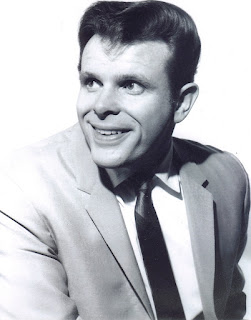
The Allman Brothers and Paul Hornsby recorded their very first two
albums as the group called,
The Hour Glass. The two albums were:
The Hour Glass (1967) and
Power of Love (1968), were both released on
Liberty Records which was founded by
Max E. Youngstein of
United Artists in 1957 initially to distribute records of its movie soundtracks, though it soon branched out into recording music of a number of different genres.
This is the compilation of those two studio albums which was released by
United Artists Records in 1973.

History of the group
Formed from the ashes of two disbanded rival groups that had played
the same southern circuit, The Allman Joys (based in Florida) and the
Men-its (based in Alabama), the group was booked in early 1967 into a
month-long engagement in
St. Louis, Missouri, where they met members of the
Nitty Gritty Dirt Band, whose manager,
Bill McEuen, arranged for them a contract with
Liberty Records.
Moving to Los Angeles, they were soon opening for groups like
The Doors and
Buffalo Springfield and recording their
eponymous debut album,
full of lighthearted poppy soul that was quite contrary to what the
group was performing in various clubs and theatres in California such as
the
Fillmore West and
Troubadour, picked out by the label from a pool of songwriters including
Jackson Browne and
Jimmy Radcliffe
whose song "Nothing But Tears" was the plug for their initial single.
The album flopped, perhaps because the group, aside from Gregg Allman,
was sparsely used in the studio.
Onstage, the group rarely performed tracks from the album, preferring original material by Greg Allman alongside covers of
Otis Redding and
Yardbirds
songs. Over the next few months, however, the group lingered, unable to
perform outside of southern California due to label constraints.
Eventually losing bassist Mabron McKinney, they soldiered on, performing
concerts and recording a second album,
Power of Love, which featured bassist
Pete Carr. However, like their debut,
Power of Love,
which also featured the songwriting skills of Gregg Allman and material
that fit the group much better than the material on their debut,
flopped.
Pulling out one last-ditch effort by leaving Los Angeles to work at the legendary
FAME Studios in
Muscle Shoals, Alabama,
the group recorded a handful of tracks that, for once, showed their
full potential in the studio. After these tracks were rejected by the
label, the group became dejected and broke up. The group over, Duane and
Gregg Allman went to Jacksonville, Florida where they jammed with
folk-rockers
The 31st of February, featuring drummer
Butch Trucks. The others went to do session work in Muscle Shoals.
Liberty Records threatened to sue the group for disbanding.
Consequently, Gregg Allman gave them the rights to a solo album to
prevent their doing so. However, tracks for the album were only issued
twenty-five years later when they were released as bonus tracks on the
compact disc
reissues of the group's two albums. With his brother back in Los
Angeles, Duane Allman temporarily joined his bandmates in Muscle Shoals,
eventually forming The Allman Brothers Band, enticing his brother back
from Los Angeles.
The album was recorded by a group saddled by a producer unable to
quite realize the group's potential. Dallas Smith, a formulaic producer
noted for his work with
Bobby Vee,
knew the group was from the South. He knew they had formed from the
ashes of groups that had performed liberal amounts of blues covers. And
he heard soulful qualities in the voice of nineteen-year-old Gregg
Allman. Therefore, he referred to them as a "Motown band", much to the
chagrin of the group.
The Hour Glass was recorded with an emphasis on lead vocalist
Gregg Allman's voice and dispensing with nearly all original material.
Of the eleven tracks on the original LP, only one was penned by a group
member, Gregg Allman's "Got To Get Away". The remaining ten were written
by songwriters running the gamut from
Curtis Mayfield and
Jackson Browne to
Del Shannon and the
Goffin-
King team. The Hour Glass performed the basic tracks, which were overdubbed by Smith with layers of vocals and instrumentation.
The album was a failure in both sales terms and in properly showcasing the group. On the follow-up, 1968's Power of Love, the group would be given a bigger role in the making of the album.
The album is currently available on the
Hour Glass anthology.
The 1992 reissue on EMI, rife with bonus tracks, has fallen out of
print, the bonus tracks now available on the 2004 album
Southbound. There is also a November 2001 BGO (Beat Goes On) version (B00005NILR) with 23 tracks and sleeve notes by
Neil Young.
Power of Love was the second studio album by
Hour Glass, issued in March 1968 on
Liberty Records, the final by the group with the namesakes of
The Allman Brothers Band. After the failure of their first album,
Liberty Records
allowed a greater independence for the group, who had been virtually
shut out of the decision making for their first album by the label and
producer
Dallas Smith.
However, with the label's decision to retain Smith as producer, the
group, especially Duane Allman, once again felt constricted by their
label's expectations for the album.
Neil Young of
Buffalo Springfield
wrote the liner notes, describing his experience sitting in on the
session for the album track,
To Things Before, watching Gregg Allman
leading the group through the number.
The album is currently available on the
Hour Glass anthology.
The 1992 reissue on EMI, rife with bonus tracks from the aborted
sessions for a Gregg Allman solo release, has fallen out of print. The
bonus tracks are now available on the 2004 album
Southbound.
Track listing:
- "Out of the Night" (Alex Moore, Bob Welch) - 1:57
- "Nothing But Tears" (Jimmy Radcliffe, B. J. Scott) - 2:28
- "Love Makes the World Go 'Round" (Deon Jackson) - 2:42
- "Cast off All My Fears" (Jackson Browne) - 3:31
- "I've Been Trying" (Curtis Mayfield) - 2:40
- "No Easy Way Down" (Gerry Goffin, Carole King) - 3:20
- "Heartbeat" (Ed Cobb) - 4:52
- "So Much Love" (Gerry Goffin, Carole King) - 2:57
- "Got to Get Away" (Gregg Allman) - 2:14
- "Silently" (Dan Bourgoise, Del Shannon) - 2:48
- "Bells" (Edgar Allan Poe, arr. Peter Alin) - 2:24
Personnel:
- Gregg Allman – organ, piano, vocal
- Duane Allman – guitars, vocal (tracks 1-13)
- Paul Hornsby – piano, organ, vocal (tracks 1-13)
- Johnny Sandlin – drums (tracks 1-13)
- Mabron McKinney – bass (tracks 1-13)
- Several unknown studio musicians on horns, guitars, backing vocals, drums, bass, banjo, keyboards and percussion
Side 2: The Power of Love
- "Power of Love" (Spooner Oldham, Dan Penn) - 2:50
- "Changing of the Guard" - 2:33
- "To Things Before" - 2:33
- "I'm Not Afraid" - 2:41
- "I Can Stand Alone" - 2:13
- "Down in Texas" (Marlon Greene-Eddie Hinton) - 3:07
- "I Still Want Your Love" - 2:20
- "Home for the Summer" (Marlon Greene-Eddie Hinton) - 2:44
- "I'm Hanging Up My Heart For You" (John Berry, Don Covay) - 3:09
- "Going Nowhere" - 2:43
- "Norwegian Wood (This Bird Has Flown)" (John Lennon, Paul McCartney) - 2:59
- "Now Is The Time" - 3:59
- "Down in Texas" (alternate version) (Marlon Greene-Eddie Hinton) - 2:21
- "It's Not My Cross to Bear" - 3:36
- "Southbound" - 3:41
- "God Rest His Soul" (Steve Alaimo) - 4:02
- "February 3rd" (Composer Unknown) - 2:56
- "Apollo 8" (Composer Unknown) - 2:37
- All songs by Gregg Allman, unless noted.
- Tracks 1-12 constitute the original album.
- Tracks 13-18 from the 1969 sessions for Gregg Allman's unreleased
first solo album for Liberty (present on 1992 re-release only).
Personnel:
- Gregg Allman – organ, piano, guitar, vocal (all tracks)
- Duane Allman – guitars, electric sitar (tracks 1-6, 8-12)
- Paul Hornsby – piano, organ, guitar, vocal (tracks 1-12)
- Johnny Sandlin – drums, guitar, gong (tracks 1-12)
- Pete Carr – bass guitar, guitar (track 7), vocal (tracks 1-12)
- Several unknown studio musicians on horns, guitars, backing vocals, drums, bass guitar, keyboards and percussion (tracks 13-18)
- Bruce Ellison - Engineer (all tracks)
The Hour Glass & The Power of Love ~
Allman Brothers 'n Paul Hornsby beginnings, Pt.1